.svg)


.webp)


An Airbnb host checklist is a room-by-room list of the legal, safety, comfort and operational items a property needs before and after it goes live. The best one covers seven areas: legal setup, every room, safety, smart tech, guest communication, cleaning and pricing. Hosts who work through all seven before their first booking avoid the most common causes of bad reviews: dirty linens, missing basics, confusing entry instructions and surprise rule violations.
Awning manages 20,000+ vacation rental properties across all 50 states, and this is the checklist we use to launch and audit properties. It is updated for 2026, including Airbnb's single 15.5% host fee, the global total price display, current Superhost rules and Airbnb's smoke and carbon monoxide alarm guidance. Print it, copy it into your notes app, or hand it to your property manager.
Key takeaways
- Legal first. Confirm permits, registration, taxes, HOA or lease rules and insurance before you furnish. Local law outranks any platform policy.
- Five basics drive most reviews: comfortable bedding, a stocked kitchen, fast Wi-Fi, easy self check-in and a clear house manual.
- Safety is non-negotiable. Airbnb strongly urges smoke and carbon monoxide alarms and expects your listing to disclose what safety devices you have.
- Superhost in 2026 means a 4.8+ rating, 90% response rate, fewer than 1% cancellations and 10 stays or 100 nights over a rolling 365 days.
- Pricing math changed. Airbnb's host-only fee is 15.5% of the booking subtotal, and the total price guests see includes your cleaning fee.
Before you list: what legal, tax and insurance steps do you need?
Before listing, confirm that short-term rental is legal at your address, register and collect required taxes, check HOA or lease rules, and put proper insurance in place. Airbnb's own host requirements put local law on top: registration, permits, occupancy tax and zoning outrank platform policy, and no platform rule protects an illegal listing.
Pre-launch checklist:
- ☐ Check city and county rules for permits, registration numbers, night caps and zoning. Start with your state's rules (see our state short-term rental regulation guides).
- ☐ Read your HOA, condo declaration or lease; these can prohibit short-term rentals even where the city allows them.
- ☐ Register for occupancy and sales taxes and learn whether Airbnb collects them in your area. Many jurisdictions require owners to remit some taxes directly.
- ☐ Set up a business structure and a separate bank account for rental income. Ask a tax professional about deductions and depreciation.
- ☐ Buy the right insurance. Airbnb's AirCover for Hosts includes up to $3 million in damage protection and $1 million in host liability, but Airbnb says damage protection is not an insurance policy and it applies only to Airbnb bookings. Many homeowners policies exclude regular short-term renting. Read our guide to Airbnb insurance cost.
- ☐ Decide who will manage: you, a co-host or a manager. Compare the time you can realistically commit against management fees, which at Awning are 10%, 15% or 18% of revenue received depending on service level.
- ☐ Build a launch budget. Furnishing costs vary widely by market and size; see our furnishing cost guide for current ranges.
Living room checklist
The living room needs seating for your maximum occupancy, entertainment, charging and a place for guests to feel at home. Furnish for the occupancy you advertise, not the occupancy you hope for.
- ☐ Sofa or sectional with a washable, stain-resistant cover
- ☐ Coffee table and side tables
- ☐ Large TV (50 inches or more) with streaming access and labeled remotes
- ☐ Overhead light plus two or more table or floor lamps
- ☐ Throw blankets and decorative pillows in washable fabrics
- ☐ Universal phone chargers (USB-C and Lightning) within reach of seating
- ☐ Wi-Fi network name and password displayed clearly
- ☐ Local guidebook, welcome binder or QR code to a digital version
- ☐ Board games and a deck of cards
Pro tip: Performance fabrics and washable rugs pay for themselves in reduced deep-clean time.
Kitchen checklist
A guest-ready kitchen has cookware, dinnerware, small appliances and consumables for the full group, plus two extra place settings. Guests judge a stay by whether they can cook a simple meal without buying anything.
Cookware and tools
- ☐ Pots and pans set (saucepans, skillet, stock pot)
- ☐ Baking sheets and a casserole dish
- ☐ Two or more cutting boards
- ☐ Chef's knife, paring knife and bread knife
- ☐ Can opener, bottle opener, corkscrew
- ☐ Mixing bowls, colander, measuring cups and spoons
- ☐ Utensil set (spatula, ladle, tongs, wooden spoon)
Dinnerware and flatware (maximum occupancy plus two)
- ☐ Dinner plates, salad plates and bowls
- ☐ Forks, knives, spoons and teaspoons
- ☐ Drinking glasses, wine glasses and mugs
- ☐ Serving platter and serving utensils
Appliances
- ☐ Coffee maker (drip or combo)
- ☐ Toaster, microwave and blender
- ☐ Dishwasher with detergent pods
Consumables
- ☐ Coffee and tea variety, sugar, creamer
- ☐ Cooking oil, salt and pepper
- ☐ Dish soap, sponges, dish towels
- ☐ Paper towels (at least two spare rolls), trash bags, foil and plastic wrap
Bedroom checklist
The bedroom is where most five-star reviews are won: a comfortable mattress, quality bedding, blackout curtains and nearby charging. Stock these items for every bed.
Bedding (per bed)
- ☐ Medium-firm mattress with a waterproof protector
- ☐ Two pillows per guest (one firm, one soft) with protectors
- ☐ Cotton sheet set, white or neutral
- ☐ Duvet or comforter with a washable cover
- ☐ Extra blanket in the closet
Furniture and storage
- ☐ Nightstands with lamps and USB charging
- ☐ Dresser or closet with hangers (at least 10 per guest)
- ☐ Full-length mirror and luggage rack or bench
Comfort extras
- ☐ Blackout curtains
- ☐ White noise machine or fan
- ☐ Alarm clock
- ☐ Spare linen set per bed so cleaners can turn the room same day
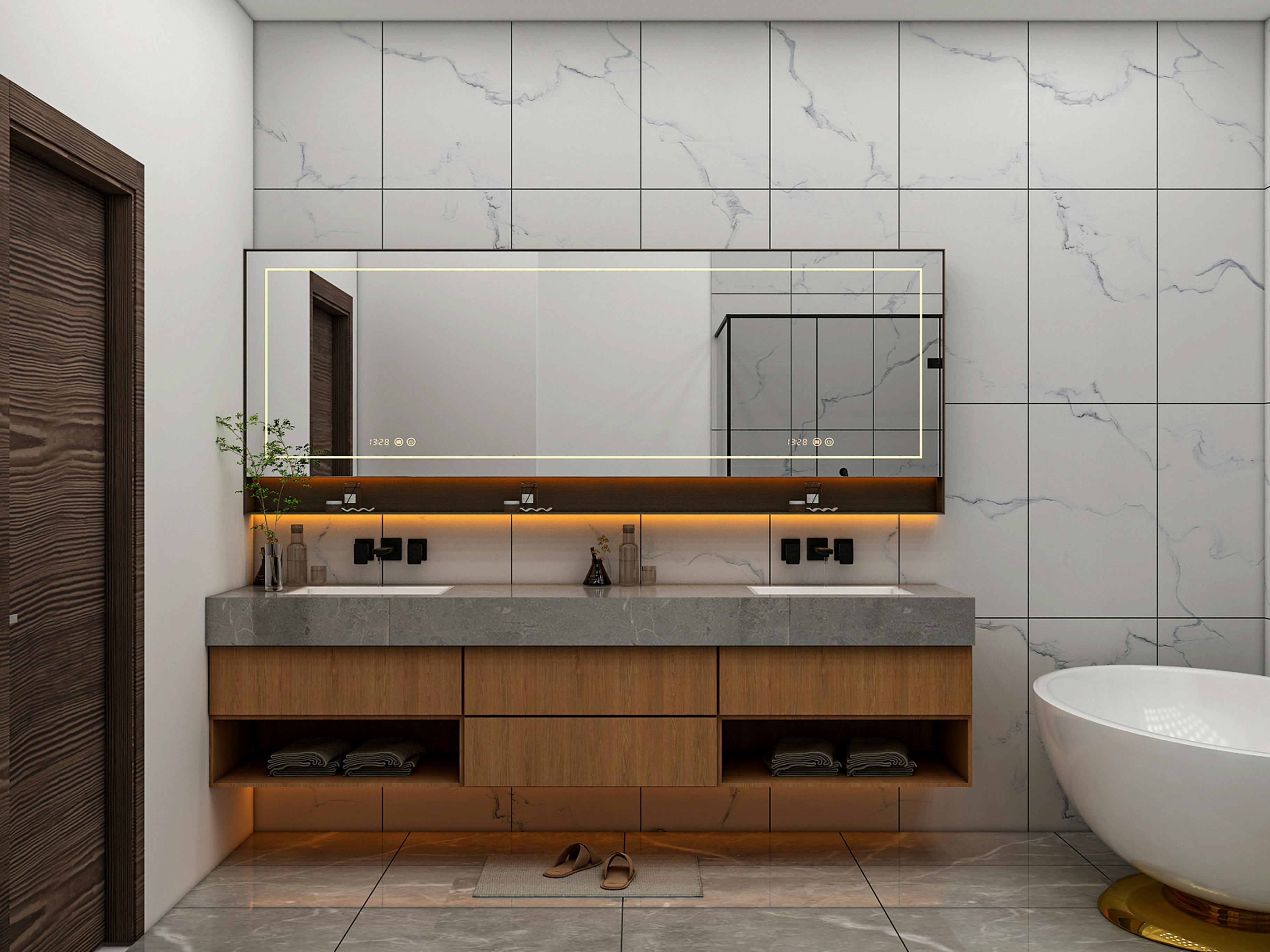
Bathroom checklist
Every bathroom needs hotel-quality towels, a spare of everything that runs out, and obvious cleanliness. Guests tend to judge cleanliness by the bathroom first.
Essentials (per bathroom)
- ☐ Bath towels (two per guest), hand towels and washcloths
- ☐ Non-slip bath mat and clean shower curtain or glass door
- ☐ Toilet paper: current roll plus at least two backups
- ☐ Plunger and lidded wastebasket
- ☐ Hair dryer, ideally wall-mounted
Toiletries
- ☐ Wall-mounted or refillable shampoo, conditioner and body wash
- ☐ Hand soap at every sink
- ☐ Tissues
Elevated touches for higher rates
- ☐ Makeup remover wipes, cotton balls and swabs
- ☐ First aid kit under the sink
- ☐ Folding step stool for children
Outdoor space checklist
Outdoor areas should be safe, maintained and furnished for your maximum occupancy. A hot tub or grill can raise your rate, and also your liability.
Patio and deck
- ☐ Seating and dining table for the full group
- ☐ Grill with utensils and cleaning brush (propane safety rules posted)
- ☐ String lights and an outdoor speaker, with quiet hours enforced
Yard
- ☐ Maintained lawn and landscaping
- ☐ Fire pit with seating only if local fire codes allow it
- ☐ Secure fencing if you allow pets
Pool or hot tub (if applicable)
- ☐ Posted rules and depth markers; lock or cover as required locally
- ☐ Pool towels and cleaning supplies
- ☐ Professional maintenance schedule (weekly in season)
- ☐ Higher liability limit confirmed with your insurer
Safety and compliance checklist
Safety means working alarms, extinguishers, secure entry, clear emergency information and a compliant listing. Airbnb states that hosts are strongly urged to install smoke and carbon monoxide alarms, may be eligible for free alarms through its program, and are expected to describe the safety devices present in their listing. Local rules may require more than one alarm, so check your jurisdiction.
Fire safety
- ☐ Smoke alarms in every bedroom, hallway and common area; test monthly and replace batteries on schedule
- ☐ Carbon monoxide alarms on every level and near fuel-burning appliances or an attached garage
- ☐ ABC-rated fire extinguisher on each floor
- ☐ Posted fire escape route
Security
- ☐ Smart lock or keypad on exterior doors
- ☐ Motion-activated exterior lights
- ☐ Working window locks
- ☐ Exterior-only video doorbell, disclosed in the listing; no cameras inside
First aid and emergency
- ☐ Stocked first aid kit
- ☐ Posted emergency contact card with the nearest hospital and urgent care
- ☐ Rechargeable flashlights and a basic tool kit
Regulatory compliance
- ☐ Permit or registration number posted and shown in the listing where required
- ☐ Occupancy limit stated in the listing and in house rules
- ☐ Tax registration on file
- ☐ Accessibility information stated accurately
Smart home and technology checklist
The one technology upgrade worth making first is a smart lock, followed by reliable Wi-Fi and a noise-awareness device. Products named below are examples, not endorsements; choose based on your property and local rules.
Must-have
- ☐ Smart lock with unique guest codes and entry logs (see best smart locks for Airbnb)
- ☐ Smart thermostat to cut energy use in vacant periods
- ☐ Reliable Wi-Fi; a mesh system for larger homes and a minimum speed that supports video calls
- ☐ Streaming-ready TV or streaming device
Nice-to-have
- ☐ Noise-level monitor that alerts you without recording audio
- ☐ Leak sensors near the water heater, under sinks and by washers
- ☐ Smart smoke and CO alarms
- ☐ Smart plugs
- ☐ Automated messaging through your property management system or channel manager
Pro tip: Keep a manual backup, such as a key lockbox or secondary code, for dead batteries and Wi-Fi outages.
Guest communication and house rules
Automate the three messages every guest needs: booking confirmation, check-in instructions and a day-of reminder. The rest of your communication should answer questions before they are asked.
Pre-arrival
- ☐ Booking confirmation with a thank-you
- ☐ Check-in instructions 24 to 48 hours before arrival
- ☐ Day-of reminder with parking and lock details
House manual (digital and printed)
- ☐ Wi-Fi details, entry instructions with photos and thermostat guide
- ☐ Appliance instructions, trash and recycling schedule
- ☐ Checkout procedure
- ☐ Emergency contacts
- ☐ Local restaurant, grocery and activity recommendations
House rules (posted and in the listing)
- ☐ Quiet hours (commonly 10 p.m. to 8 a.m.)
- ☐ Maximum occupancy and unregistered-guest policy
- ☐ Smoking, pet and party policies, with fees stated
- ☐ Parking rules
- ☐ Pool or hot tub hours and rules
Cleaning and turnover checklist
A consistent, documented turnover process protects your reviews more than any other single habit. Use the same checklist on every turn and photograph the finished rooms. If you outsource, our Airbnb cleaning service page explains how Awning coordinates it.
Between every guest
- ☐ Strip and replace all linens and towels
- ☐ Sanitize high-touch surfaces (handles, remotes, switches, counters)
- ☐ Deep-clean bathrooms and the full kitchen
- ☐ Vacuum and mop floors
- ☐ Empty trash and replace liners in every room
- ☐ Run and empty the dishwasher
- ☐ Restock all consumables
- ☐ Reset the thermostat and lock all doors and windows
- ☐ Rotate the smart lock code
- ☐ Walk through for damage, missing items and maintenance issues, with photos
Monthly deep clean
- ☐ Inside oven, microwave and refrigerator
- ☐ Interior windows, baseboards and ceiling fans
- ☐ Under furniture and behind appliances
- ☐ Mattress and upholstery spot cleaning
- ☐ Grout and tile
- ☐ HVAC filter check
Listing and pricing checklist
A strong listing pairs honest, well-lit photos with a price built on local comps. Listings need to be accurate; misrepresentation is one of the fastest routes to enforcement action on Airbnb.
Title and description
- ☐ Lead the title with your strongest differentiator (view, hot tub, walkable location)
- ☐ Keep the title short enough to read on mobile
- ☐ Open the description with the experience, then list amenities and distances to attractions
- ☐ Disclose safety devices, cameras and any shared spaces
Photos
- ☐ 20 or more photos, ideally more, in daylight
- ☐ A hero image, every room from two angles, and kitchen and bathroom close-ups
- ☐ Outdoor, neighborhood and detail shots
Pricing
- ☐ Use dynamic pricing (see best Airbnb pricing tools)
- ☐ Set base rates from local comps, not guesses
- ☐ Offer weekly and monthly discounts that fit your market
- ☐ Account for Airbnb's 15.5% host-only fee, which applies to the whole booking subtotal. To net the same earnings, divide your target by 0.845 rather than multiplying by 1.155
- ☐ Remember total price display: guests see your cleaning fee inside the headline price in search, so keep it in line with comps
Ongoing maintenance checklist
Scheduled maintenance prevents the guest-facing failures that cause refunds and one-star reviews. Our seasonal maintenance guide in Related Resources goes deeper.
Quarterly
- ☐ Replace HVAC filters
- ☐ Test smoke and CO alarms
- ☐ Check plumbing (faucets, toilets, under-sink leaks)
- ☐ Inspect the exterior (roof, gutters, siding, paint)
- ☐ Deep clean appliances
- ☐ Restock backup supplies
Annually
- ☐ Professional HVAC service and water heater flush
- ☐ Pest control inspection
- ☐ Roof and gutter cleaning; exterior power washing
- ☐ Insurance policy review and renewal
- ☐ Refresh the listing description and photos if you made updates
Every 100 bookings or yearly
- ☐ Replace pillows and shower curtain liners
- ☐ Assess mattress condition and linen and towel quality
- ☐ Update the house manual
- ☐ Update firmware on smart devices
How do you become an Airbnb Superhost in 2026?
To earn Superhost status in 2026, you need a 4.8 or higher overall rating, a 90% response rate, fewer than 1% cancellations and at least 10 completed stays or 100 nights over a rolling 365 days. According to a 2026 explainer, Airbnb evaluates status on four fixed dates a year (January 1, April 1, July 1 and October 1). Benefits include priority placement in some searches and priority support. The fastest path is a well-equipped property, automated messaging and a reliable cleaning process. Read our full guide on how to become an Airbnb Superhost.
30-60-90 day launch plan
A new host can launch in about 90 days by sequencing legal, setup, listing and optimization work.
- Days 1 to 30: legal and setup. Confirm legality, permits, taxes and insurance. Choose your management model. Order furniture and long-lead items. Awning can also help with furnishing and setup if you want it done end to end.
- Days 31 to 60: furnish and prepare. Install the room-by-room items above, safety devices and smart tech. Photograph the property in daylight. Write the house manual and rules.
- Days 61 to 90: launch and tune. Publish the listing with competitive opening rates, collect your first reviews, and adjust price, minimum stays and messaging based on real inquiries.
Frequently Asked Questions
What is on an Airbnb furnishing checklist?
An Airbnb furnishing checklist covers sleeping (mattresses, bedding, blackout curtains), seating for full occupancy, kitchen equipment, bathroom supplies and comfort extras like lamps, chargers and games. Furnish for your listed maximum occupancy plus two extra place settings, and choose durable, easy-to-clean materials.
What should every Airbnb host have?
At minimum: clean, comfortable bedding, a stocked kitchen, reliable Wi-Fi, safe self check-in and a clear house manual. Add working smoke and carbon monoxide alarms and a stocked first aid kit. These basics address the most common guest complaints.
How much does it cost to set up an Airbnb?
It depends heavily on property size, market and quality level, and prices have shifted since earlier years. See our furnishing cost guide (linked above) for current ranges, then add costs for permits, insurance, photography and smart tech.
What is the best checklist for Airbnb cleaning?
Strip and replace linens, sanitize high-touch surfaces, deep-clean bathrooms and the kitchen, vacuum and mop, restock consumables and finish with a damage walkthrough. Use the same list every turn and photograph the finished result.
Do I need a smart lock for my Airbnb?
It is not required, but it is the single most useful tech upgrade. It removes key handoffs, lets you issue unique codes and gives you entry logs. Keep a manual backup for outages.
Does Airbnb require smoke and carbon monoxide alarms?
Airbnb says it strongly urges hosts to install them and expects your listing to disclose which safety devices are present. It runs a program giving eligible hosts free alarms, and local laws may require more than one. Properties with only electric appliances and no attached garage may reasonably skip a CO alarm, but check local code.
How do I become an Airbnb Superhost?
Meet four criteria over a rolling 365 days: a 4.8 or higher rating, 90% response rate, fewer than 1% cancellations and at least 10 stays or 100 nights. Airbnb checks status on set dates through the year.
Should I manage my Airbnb myself or hire a manager?
Self-manage if you live nearby, have flexible time and one or two properties. Hire a manager if you are remote, own several properties or want passive income. Full-service management typically costs 15% to 35% in many markets; Awning's tiers are 10%, 15% and 18% of revenue received.
Let Awning Handle Your Vacation Rental Awning manages 20,000+ vacation rental properties across all 50 states. From setup and furnishing to cleaning, pricing and guest support, we handle the checklist so you collect the income. → Schedule a Free Call
Let Awning Handle Your Vacation Rental
Awning manages 20,000+ vacation rental properties across all 50 states, with transparent billing and professional operations from pricing to guest support.
Related Resources
- Airbnb maintenance routine checklist: seasonal maintenance in more depth
Sources referenced (paraphrased): Airbnb Help Center (smoke and CO alarms, AirCover for Hosts); Hostfully (2026 Airbnb host requirements); AvantStay (2026 Superhost requirements); Lodgify and Rove Travel (2026 Airbnb host fee coverage).

%201.webp)
%203.webp)
%201.webp)
.webp)



.jpeg)


