


Starts at 10% of revenue.
Maryland Airbnb and Short-Term Rental Regulations (2026 Update)
Maryland’s diverse attractions—from the bustling city life of Baltimore to the historic charm of Annapolis and the coastal draw of Ocean City—make it a popular destination for travelers year-round. As short-term rentals continue to grow in popularity, property owners across the state are exploring the potential of platforms like Airbnb and Vrbo. However, Maryland does not enforce a single, statewide regulation governing these rentals. Instead, local jurisdictions establish their own permit processes and tax obligations. This article provides an overview of what you need to know when starting a short-term rental business in the Old Line State, from essential tax requirements to local zoning rules.
Maryland’s Definition of a Short-Term Rental
Maryland statutes do not offer a uniform definition of “short-term rental,” so counties and municipalities typically set their own guidelines. In many jurisdictions, any rental period of fewer than 30 days is considered transient lodging or short-term. While the state itself does not have a specific short-term rental license, local governments often require that hosts obtain permits, follow land-use regulations, and pay relevant taxes on stays below the 30-day threshold. Checking the official website for your city or county is a crucial first step in confirming the exact definition and any potential restrictions.
Starting a Short-Term Rental Business in Maryland
Launching an Airbnb or other short-term rental in Maryland generally involves two main layers of compliance:
- State-Level Tax Considerations: You may need to collect Maryland’s sales and use tax on lodging, as well as any applicable county hotel taxes, unless the hosting platform does this automatically.
- Local Regulations: Cities or counties often have their own ordinances requiring a business license, short-term rental permit, or safety inspection, especially in popular tourist areas.
If you choose to operate under a business entity—like an LLC—ensure you register with the Maryland State Department of Assessments and Taxation. Furthermore, homeowners associations (HOAs) or condominium bylaws may have their own stipulations limiting short-term stays, so it’s important to review any private community rules that apply.
Short-Term Rental Licensing Requirement in Maryland
Maryland does not administer a single short-term rental license at the state level. Instead, licensing or permitting often depends on county or municipal ordinances. While some parts of Maryland, like rural counties, might have minimal formalities—focusing primarily on collecting taxes—urban centers and popular vacation destinations may enforce stricter guidelines. These can include:
- Occupancy caps or time limits on rental periods.
- Safety standards (smoke detectors, CO detectors, fire extinguishers).
- Zoning rules that differentiate between primary-residence rentals and full-home or investment properties.
Noncompliance can lead to fines or cease-and-desist orders, so verifying your local government’s requirements is essential before listing a property.
Maryland Short-Term Rental Taxes
In Maryland, short-term rental income often triggers several types of taxes:
- Sales and Use Tax: The state levies a 6% sales and use tax on short-term lodging, although some local jurisdictions may have slightly varied interpretations.
- Local Hotel or Occupancy Taxes: Counties such as Montgomery, Prince George’s, and others often charge an additional hotel tax that can range from 3% to 10%.
- Additional Fees: Popular tourist destinations might impose special surcharges to fund local tourism boards or infrastructure.
If Airbnb or a similar platform does not automatically collect and remit these taxes, you must register with the Maryland Comptroller’s Office and your county’s revenue office (if applicable) to file and pay them. Maintaining accurate records of bookings, nightly rates, and additional fees ensures you remit taxes correctly and on time.
Vacation Rental Tax Deductions
As with short-term rental operations elsewhere, Maryland hosts may reduce their taxable income via federal deductions if they rent out a property for more than 14 days a year. Potential deductible expenses include mortgage interest, property taxes, homeowner’s insurance, utilities, repairs, and depreciation for both the property and its furnishings. Because personal use can affect the percentage of these deductions, tracking the exact number of rental days is critical. Consulting a tax professional can help you ensure you claim valid deductions and remain compliant with IRS rules.
Short-Term Rental Regulations by Major Locations in Maryland
Baltimore
Baltimore maintains regulations that require short-term rental operators to register with the city. Owners or hosts typically need to obtain a residential rental license if they rent to guests for fewer than 30 consecutive days. Baltimore also collects a local hotel tax, which must be filed unless your platform remits it for you. Enforcement can involve property inspections to verify safety standards, particularly if you rent a separate unit or an entire property rather than a spare room.
Annapolis
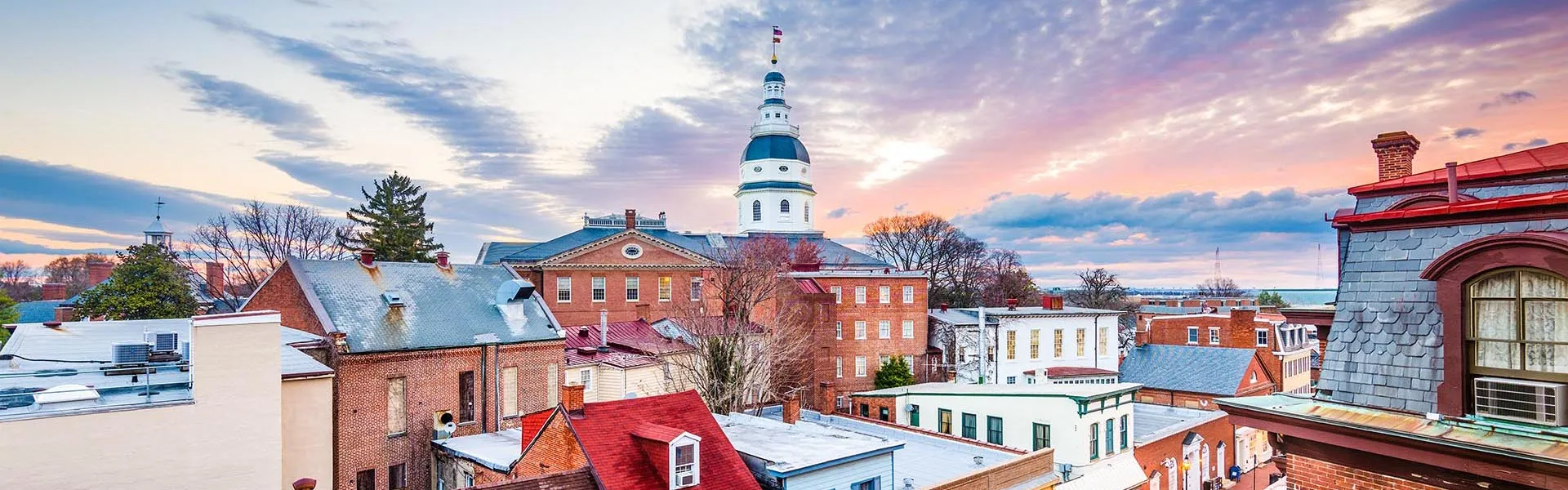
Maryland’s capital, known for its rich colonial history and the U.S. Naval Academy, experiences robust tourism. Annapolis enforces regulations through its zoning code and requires short-term rental licenses for hosts who rent out whole units. Operators should confirm they meet occupancy and noise ordinances, especially in older historic districts. The city levies a local hotel tax on short-term stays, adding to the state’s 6% sales tax, so the combined rate can surpass 10%.
Ocean City
A major summer destination, Ocean City has strict guidelines for vacation rentals aimed at preserving residential quality of life. Property owners may need a rental license through the city if they offer stays under a certain number of days. Noise and parking regulations are actively enforced, particularly during peak tourist seasons. Many hosts must collect both the state’s 6% lodging tax and a local room tax that helps fund beach replenishment and tourism initiatives.
Frederick
Frederick’s historic downtown and proximity to scenic outdoor areas draw visitors throughout the year. While the city does not ban short-term rentals, it may require a general business license and basic safety inspections. Frederick County charges a hotel rental tax on top of the state tax, so hosts should confirm whether their platform handles these taxes automatically. Owners who rent rooms in a primary residence may face fewer regulations than those operating a full-time vacation rental property.
Montgomery County
This suburban area adjacent to Washington, D.C., imposes a local hotel tax and closely monitors short-term rentals through registration or licensing. Montgomery County enforces rules to ensure properties meet certain standards, including maximum occupancy limits. Homeowner associations in some communities add further restrictions to protect residential character. Checking both county and HOA rules is vital to avoid fines or forced closures.
Takeaway
Maryland short-term rental regulations are locally governed, meaning hosts must comply with their specific city or county ordinances rather than a single statewide law. The state’s flexible approach to short-term rentals means that licensing and regulation often depend on municipal or county ordinances rather than a uniform standard. Collecting the 6% state sales tax plus any additional local hotel/occupancy taxes is a primary obligation, unless a platform remits these on your behalf.
Because local governments frequently update their ordinances to address neighborhood concerns, staying informed via official websites or council meetings is essential. When combined with thorough record-keeping, compliance with these guidelines helps ensure a successful, law-abiding short-term rental operation in the Old Line State.
Current Airbnb & VRBO Trends by City
FAQ
What is a short-term rental in Maryland?
Maryland defines short-term rentals as residential properties rented for fewer than 90 consecutive days for lodging purposes. Regulations are primarily set at the county and city level, with Ocean City and Baltimore having the most defined STR frameworks.
Does Maryland require a statewide STR license?
No. Maryland has no statewide STR licensing requirement. Hosts must comply with local county or city permit requirements and collect applicable state and local lodging taxes.
What taxes do Maryland Airbnb hosts pay?
Maryland STR hosts owe state sales tax at 6% on lodging. Counties add their own lodging taxes. In Ocean City (Worcester County), combined rates can reach 10-12%. Baltimore City has its own hotel tax in addition to state tax. Airbnb and VRBO collect and remit taxes automatically.
Are short-term rentals legal in Ocean City?
Yes. Ocean City is Maryland's top STR market and requires a rental license from the city. Properties must pass an annual inspection for safety compliance. Ocean City enforces noise, occupancy, and parking standards. The city sees extreme summer demand from Mid-Atlantic beach tourists.
What are Baltimore's short-term rental regulations?
Baltimore City requires a short-term rental license with annual renewal. Baltimore's neighborhoods near the Inner Harbor and Johns Hopkins generate demand from tourism and medical travel. Non-owner-occupied licenses face more scrutiny.
What are the STR rules in Annapolis and the Chesapeake Bay area?
Annapolis and Anne Arundel County require local STR permits and lodging tax compliance. Annapolis is a major boating and naval tourism destination. The Eastern Shore (St. Michaels, Chesapeake City) has a growing STR market with scenic waterfront properties.
What safety requirements apply to Maryland STRs?
Maryland STR hosts must maintain smoke detectors, carbon monoxide alarms, and fire extinguishers. Ocean City requires annual safety inspections. Baltimore has additional requirements for older housing stock.
Can HOAs ban short-term rentals in Maryland?
Yes. Maryland HOAs can restrict or prohibit STRs through CC&Rs. Many planned communities in Montgomery County and Anne Arundel County have STR restrictions.
What are the best Maryland markets for STR investment?
Ocean City generates the highest Maryland STR yields. Annapolis offers year-round demand from nautical tourism. The Deep Creek Lake area in Garrett County attracts four-season outdoor recreation tourists.
What tax deductions can Maryland STR hosts claim?
Maryland STR hosts may deduct mortgage interest, property taxes, insurance, repairs, and depreciation federally. Maryland has a state income tax on rental income. Maryland's high property taxes in suburban areas are deductible and often significant.


