


Starts at 10% of revenue.
Wyoming Airbnb and Short-Term Rental Regulations (2026 Update)
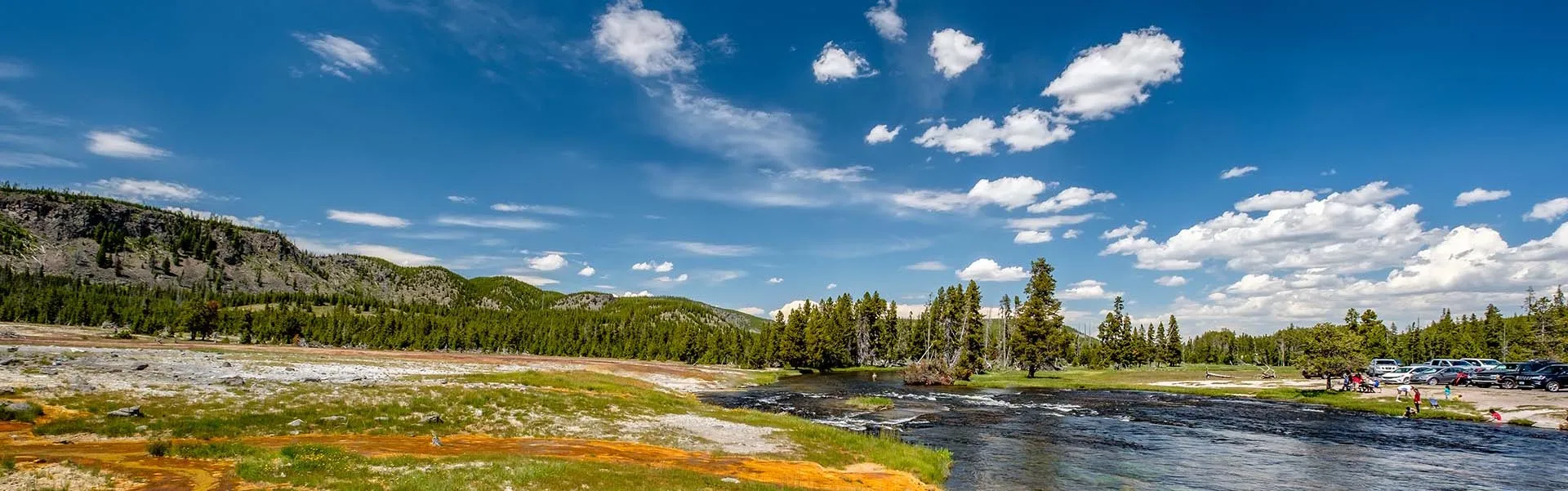
Wyoming’s rugged beauty—from the sweeping plains and majestic mountain ranges to iconic attractions like Yellowstone and Grand Teton National Parks—draws a steady flow of travelers seeking outdoor adventures and peaceful retreats.
As a result, short-term rentals on platforms like Airbnb and Vrbo have become an attractive option for property owners in the Equality State. However, Wyoming does not impose a single, statewide short-term rental law. Instead, hosts must navigate state tax obligations and a variety of local ordinances that can vary significantly from one jurisdiction to another. This guide outlines the key considerations for operating a short-term rental in Wyoming, including definitions, licensing requirements, taxes, and major city-specific regulations.
Wyoming’s Definition of a Short-Term Rental
Wyoming does not offer a uniform, statewide definition for short-term rentals. In many areas, any rental of a property for fewer than 30 consecutive days is considered transient lodging.
However, local governments—especially in tourism hotspots—may adjust this threshold or apply additional criteria, such as differentiating owner-occupied properties from investment rentals. Property owners should check local zoning and lodging ordinances to understand how their municipality categorizes short-term rentals and what specific restrictions or permit requirements may apply.
Starting a Short-Term Rental Business in Wyoming
Launching a short-term rental in Wyoming generally involves meeting both state tax obligations and local regulatory requirements. At the state level, property owners may need to collect and remit sales or transient lodging taxes unless the booking platform handles these obligations automatically. If you decide to operate under a formal business entity, such as an LLC, you should register with the Wyoming Secretary of State.
Local regulations vary widely. In some rural areas, oversight may be minimal and focus primarily on tax collection and basic building codes. In contrast, tourism centers—especially those near national parks or in resort communities—may require specific permits, routine safety inspections, or occupancy limits to address neighborhood concerns. Checking local municipal websites and any applicable homeowners association (HOA) rules is essential to avoid fines or forced delisting.
Short-Term Rental Licensing Requirement in Wyoming
Wyoming does not provide a statewide short-term rental license. Instead, licensing and permit requirements are determined by local authorities. In popular tourist destinations such as Jackson or resort communities near Yellowstone, local governments may require an annual or biennial short-term rental permit, including mandatory safety inspections and compliance with zoning restrictions.
Urban centers like Cheyenne or Casper may have less stringent requirements but still enforce local business registration and building safety codes. Staying informed of local government updates is crucial, as regulations can change in response to community feedback or housing concerns.
Wyoming Short-Term Rental Taxes
Short-term rental operators in Wyoming are subject to state sales tax, currently at 4%, which may apply to transient lodging. Many local jurisdictions also impose additional lodging or transient occupancy taxes, which can bring the overall rate to 6%–8% in tourist-centric areas.
If the booking platform does not automatically collect and remit these taxes, property owners must register with the Wyoming Department of Revenue and file returns on the prescribed schedule. Accurate recordkeeping of nightly rates, extra fees, and occupancy data is essential to ensure correct tax remittance and to avoid penalties or interest charges for late filings.
Vacation Rental Tax Deductions
Property owners renting out their Wyoming homes for more than 14 days per year may be eligible for federal tax deductions. Eligible expenses typically include mortgage interest, property taxes, insurance, utilities, maintenance, and depreciation of the property and its furnishings.
Since many owners also use their properties personally, it is important to accurately track the number of rental versus personal use days. Consulting a tax professional can help ensure you maximize your deductions while staying in compliance with IRS guidelines.
Short-Term Rental Regulations by Major Locations in Wyoming
Jackson
Jackson, a gateway to Grand Teton and Yellowstone National Parks, is one of Wyoming’s premier tourist destinations. Due to high visitor demand, local authorities in Jackson enforce robust short-term rental regulations, which often include permits for non-owner-occupied properties, strict occupancy limits, and mandatory safety inspections. Hosts in Jackson are typically required to collect both state sales tax and additional local transient lodging taxes, and violations—such as exceeding guest limits or neglecting safety requirements—can result in hefty fines or permit revocation.
Cheyenne
As Wyoming’s capital, Cheyenne experiences moderate short-term rental activity driven by business travel and regional tourism. The city typically follows standard state tax rules but may also impose local business license requirements or building safety inspections. While Cheyenne’s regulations are generally less restrictive than those in Jackson, property owners should still verify local zoning ordinances, especially if their rental is located in a predominantly residential area.
Casper
Casper, known for its cultural attractions and proximity to outdoor recreation, offers opportunities for short-term rental operators with fewer urban restrictions than larger tourist hubs. However, hosts in Casper must still comply with state tax obligations and any local regulations regarding transient lodging.
Although licensing requirements in Casper may be minimal, ensuring your property meets basic building and fire safety standards is essential to avoid enforcement actions or fines from local code inspectors.
Takeaway
Wyoming short-term rental regulations are locally governed, meaning hosts must comply with their specific city or county ordinances rather than a single statewide law. Without a unified statewide regulatory framework, property owners must carefully review local ordinances for permits, occupancy limits, and safety requirements. Collecting and remitting the 4% state sales tax along with any additional local transient lodging taxes is a core obligation, unless managed by your booking platform.
Because local rules can shift in response to housing or community concerns, staying updated through municipal websites and local government announcements is crucial. By adhering to local licensing processes, maintaining accurate financial records, and ensuring your property complies with building and safety standards, short-term rental hosts in Wyoming can operate a successful and legally compliant business while offering visitors a memorable experience in the Equality State.
Current Airbnb & VRBO Trends by City
FAQ
What is a short-term rental in Wyoming?
Wyoming defines short-term rentals as residential properties rented for fewer than 30 consecutive days. Wyoming has no comprehensive statewide STR law and is one of the most permissive states for vacation rentals. Jackson Hole is Wyoming's most regulated STR market due to extreme housing affordability pressures.
What taxes do Wyoming Airbnb hosts pay?
Wyoming imposes a lodging tax of 4% on short-term rentals statewide, plus county and municipal lodging taxes. Teton County (Jackson Hole) adds significant local lodging taxes. Combined rates in Jackson Hole can exceed 10%. Wyoming has no state income tax. Airbnb and VRBO collect and remit taxes automatically.
Are short-term rentals legal in Jackson Hole?
Yes, but Jackson and Teton County have implemented strict STR regulations in response to a severe housing affordability crisis. Non-owner-occupied STR permits in residential zones are capped and currently face a waitlist. Owner-occupied STRs have a more accessible permit process.
What are the STR regulations near Yellowstone and Grand Teton?
Gateway communities to Yellowstone and Grand Teton — including Cody, Dubois, and Moose — have minimal STR regulation beyond state lodging tax compliance. Local county permits are required in most gateway communities.
What are the STR rules in Cody?
Cody (Park County) requires a business license and state lodging tax compliance for STR operations. Cody is the eastern gateway to Yellowstone and generates strong summer demand from rodeo and western heritage tourism.
Does Wyoming require a statewide STR license?
No. Wyoming has no statewide STR licensing requirement. Hosts must register with the Wyoming Department of Revenue to collect the lodging tax. Local permits are required in Jackson and Teton County.
What safety requirements apply to Wyoming STRs?
Wyoming STR hosts must maintain smoke detectors, carbon monoxide alarms, and fire extinguishers. Mountain properties in Teton County should ensure heating systems are fully operational for cold winters. Bear safety information should be provided in wilderness-adjacent properties.
Can HOAs restrict short-term rentals in Wyoming?
Yes. Wyoming HOAs can restrict STRs through deed covenants. Many Jackson Hole resort and residential communities have HOA-managed rental programs or deed restrictions.
What are the best Wyoming markets for STR investment?
Jackson Hole delivers some of the highest nightly rates in the US due to national park proximity and ski access. Cody generates strong Yellowstone gateway demand. Star Valley attracts Bear River Corridor outdoor recreation visitors.
What tax deductions can Wyoming STR hosts claim?
Wyoming has no state income tax, making it one of the most tax-favorable states for STR investment. Federal deductions for mortgage interest, property taxes, insurance, repairs, and depreciation apply. Wyoming's combination of no state income tax makes it attractive for LLC-structured STR portfolios.


